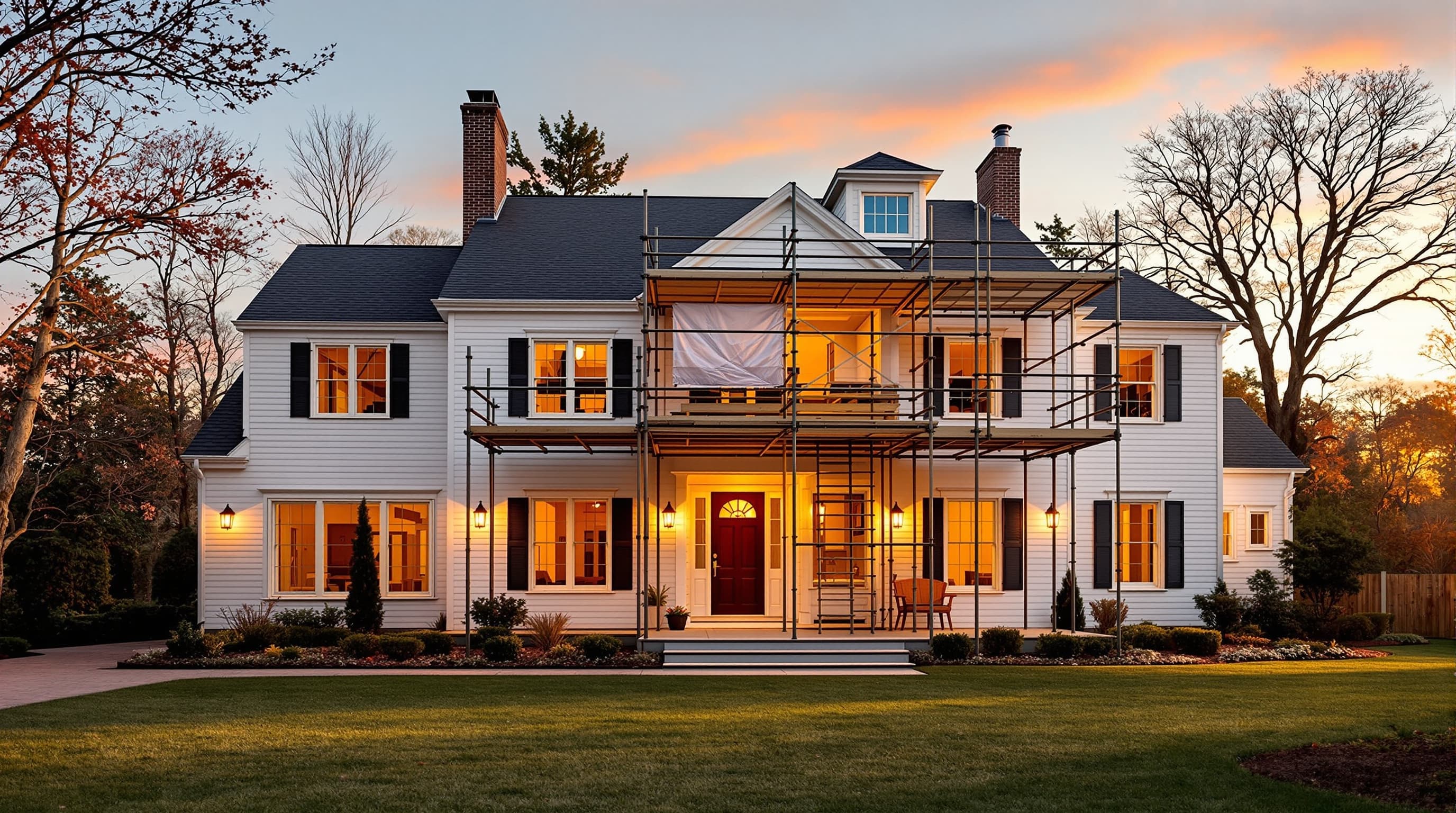
Dormers, Additions & Custom Homes on Long Island.
“One crew. One contract. One accountable name from demo to final walkthrough.”
Request a consultation
The owner or our permit coordinator calls back within one business day.
Three disciplines. One vertically-integrated crew.
Same license, same crew, same permit desk — whether your project is an 800 sq ft shed dormer or a 6,000 sq ft ground-up custom home.
Types of dormers we build on Long Island
Every Long Island dormer addition starts with roof geometry. The right dormer type depends on your existing roof pitch, the space you need, and the architectural character of your home.
Shed Dormer
The workhorse of Long Island dormer additions. A shed dormer runs the full width of the roof with a single flat-sloped plane, converting an entire half-story to full headroom. Yields 600–1,200 sq ft of new living space. Most common on Nassau and Suffolk Cape Cods and colonials. Our most-requested configuration — we have built over 90 shed dormers since 2007.
Gable Dormer
A peaked-roof dormer that projects from the main roofline with its own gable end. Adds headroom and natural light to a single bedroom or bath area. The traditional choice on Tudor revivals, brick colonials, and homes where architectural character demands a symmetrical, understated addition. Common in Garden City, Great Neck, and North Shore estate areas.
Hip Dormer
A three-sided sloped-roof dormer that blends smoothly with existing hip-roofed homes. Common on Long Island's 1940s–1960s colonials with hip roofs where a gable dormer would clash with the roofline. More complex framing than a shed dormer but delivers a refined, architecturally integrated appearance. Popular in Manhasset, Port Washington, and Cold Spring Harbor.
Eyebrow Dormer
A curved-roof dormer that arches gently above the roofline without vertical side walls. Adds light and ventilation rather than significant headroom. Used primarily on historic and estate-quality homes where a full dormer would overwhelm the roof proportions. Common on Muttontown and Oyster Bay estate renovations. The most architecturally sensitive dormer option.
Dormer addition cost on Long Island: what drives the number
Dormer addition costs on Long Island range from $35,000 for a small eyebrow dormer to $150,000+ for a full-width shed dormer with luxury interior buildout. The primary cost drivers are: (1) dormer width — a 12-foot gable is roughly half the cost of a 28-foot full-shed, (2) structural complexity — existing roof framing condition, load path requirements, and whether existing floor joists need reinforcement, (3) interior finish scope — rough-framed shell vs. turnkey primary suite with spa bath and radiant heat, and (4) permit jurisdiction — some Long Island townships charge significantly more in permit fees than others.
On Long Island specifically, dormer additions cost 15–25% more than national averages due to higher labor costs (union-scale carpentry), material delivery logistics, and the permit complexity of working across multiple township jurisdictions in Nassau and Suffolk counties. However, Long Island property values also mean the ROI on a well-executed dormer addition is among the highest in the country — a $100,000 shed dormer on a $600,000 Cape can add $150,000–$200,000 in appraised value.
Timeline: how long does a dormer take on Long Island?
A typical Long Island dormer addition takes 6–12 weeks from permit issuance to completion, with an additional 4–8 weeks of design and permitting on the front end. Total project timeline from first consultation to final walkthrough: 3–5 months for a standard shed dormer, 4–6 months for complex projects requiring historic review or structural remediation. The construction phase begins with a single-day roof strip and frame — our crew removes the existing roof section, frames the dormer structure, and has it sheathed and watertight before dark. This eliminates weather exposure risk to your home's interior.
Permits for dormer additions on Long Island
Every structural dormer addition on Long Island requires a building permit. Nassau County and Suffolk County each contain multiple township-level building departments — the correct jurisdiction depends on your specific address. In Nassau: Town of Hempstead, Town of North Hempstead, Town of Oyster Bay, and incorporated villages ( Garden City dormers, Muttontown, Great Neck villages, etc.) each issue their own permits. In Suffolk: Town of Huntington, Town of Smithtown, Town of Babylon, Town of Brookhaven, and others. Our permit coordinator identifies the correct jurisdiction for every address and manages all filings from architectural drawings through final inspection sign-off. Permit fees on Long Island typically run $1,200–$4,000 depending on project scope and jurisdiction.
Dormers Garden City NY 11530 — Tudor & Colonial specialists
Garden City is one of Nassau County's most architecturally significant villages and our most active location for dormers. Dormers Garden City NY projects run through our crew regularly — we've completed 15+ ARB-approved dormer additions on Garden City's 1920s–1950s Tudor revivals, center-hall colonials, and French Norman homes since 2007. Shed dormers in Garden City typically run $90,000–$145,000; gable dormers $75,000–$110,000. Homes in the Garden City Historic District require Architectural Review Board (ARB) approval before the Village Building Department issues a permit — we prepare the full submittal package and every one has been approved. Our permit coordinator manages all Village filings; our in-house architect (AIA) draws the ARB presentation. Nassau County HIC #198901.
See the full Garden City dormers guidePortfolio Map of Long Island
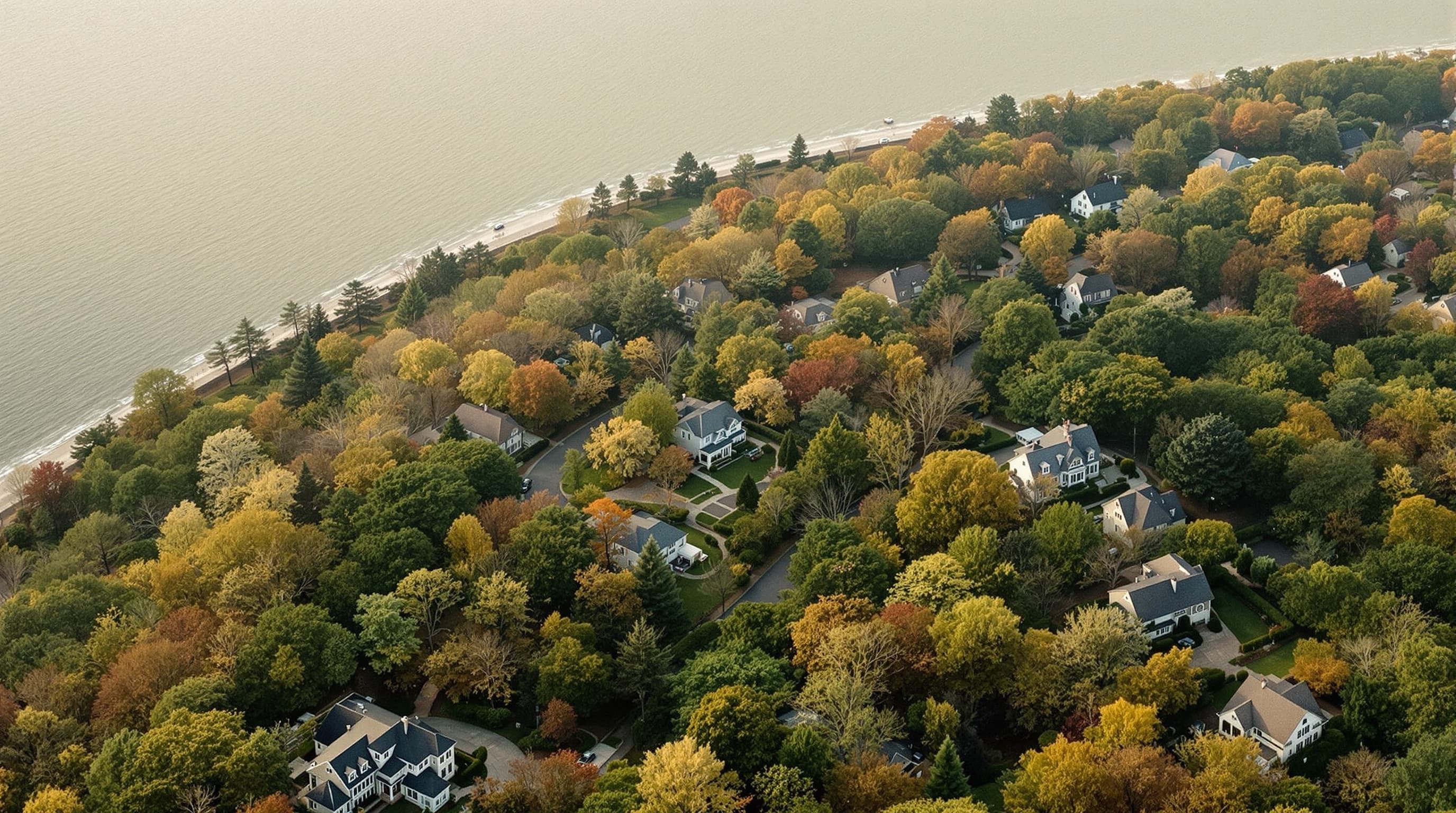
Every pin is a project we've built or rebuilt. 618 across Nassau and Suffolk since 2007.
From plans to punch list — no handoffs
One contract, one point of accountability. We've run this system 618 times.
Site visit & scope
The owner walks your property with you — usually within 7 days. We listen to what you want, we tell you what's possible, and we explain what's going to be hard.
PE-backed plans
Our in-house architect (our in-house AIA architect) drafts. A licensed PE stamps every structural detail. The set that goes to the township is the set we'll build.
Permits & lenders
Our permit coordinator manages every township filing. If you're financing, we coordinate with your lender's inspections and draw schedule.
Build & walkthrough
Our addition superintendent (additions) or our new build superintendent (new builds) runs the site. The owner walks the job every Monday. We don't leave until the final punch is done.
Work across Nassau & Suffolk
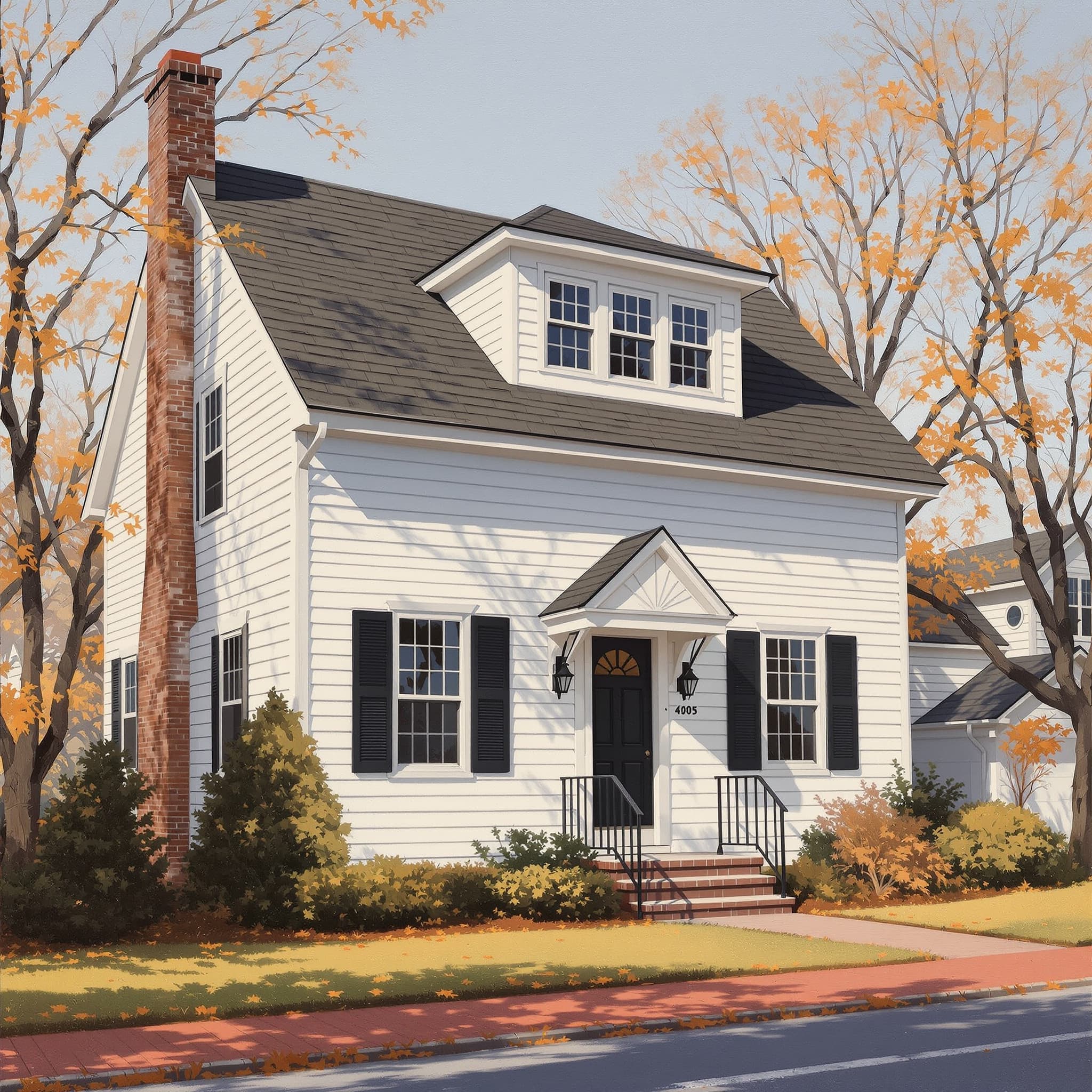
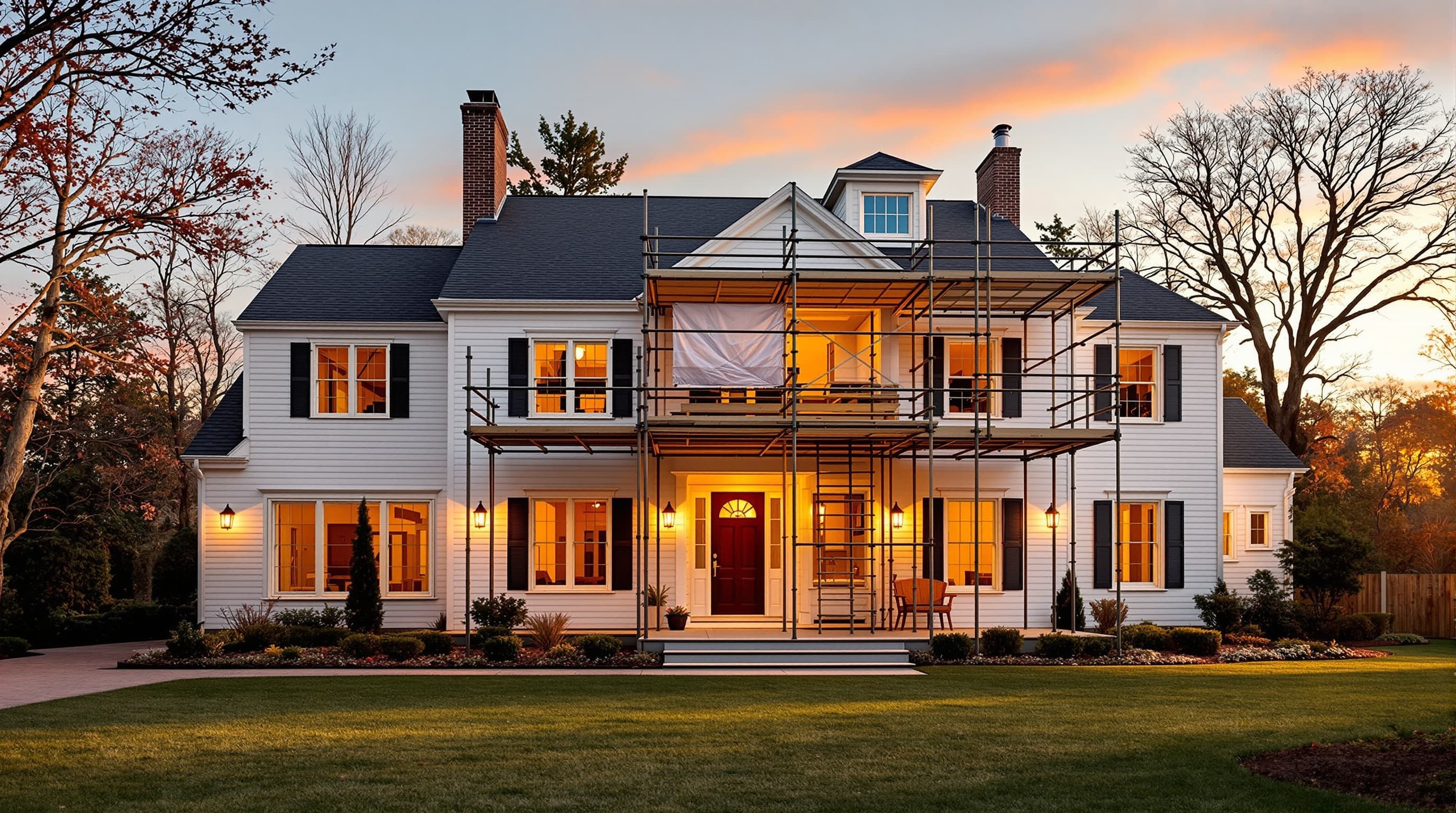
Full Shed Dormer + Primary Suite — Levittown, NY
Stripped the roof on a 1953 Cape, framed and watertight day one. Added 840 sq ft primary suite with walk-in and spa bath. Town of Hempstead permit.
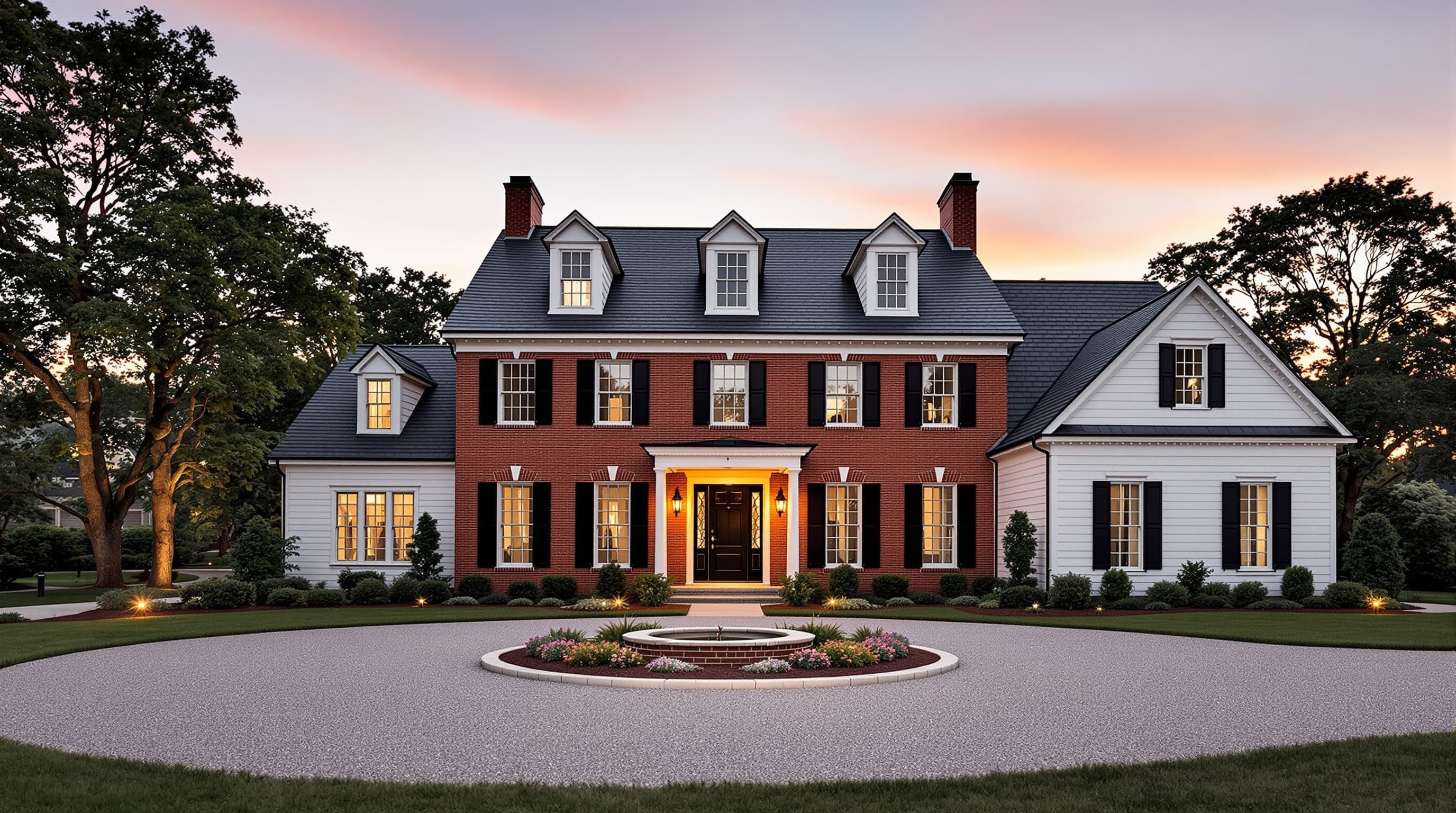
Second-Story Addition — Manhasset, NY
Doubled the livable square footage of a 1928 center-hall colonial without changing the footprint. Architect-matched soffits and dormers to original. 9-month build.
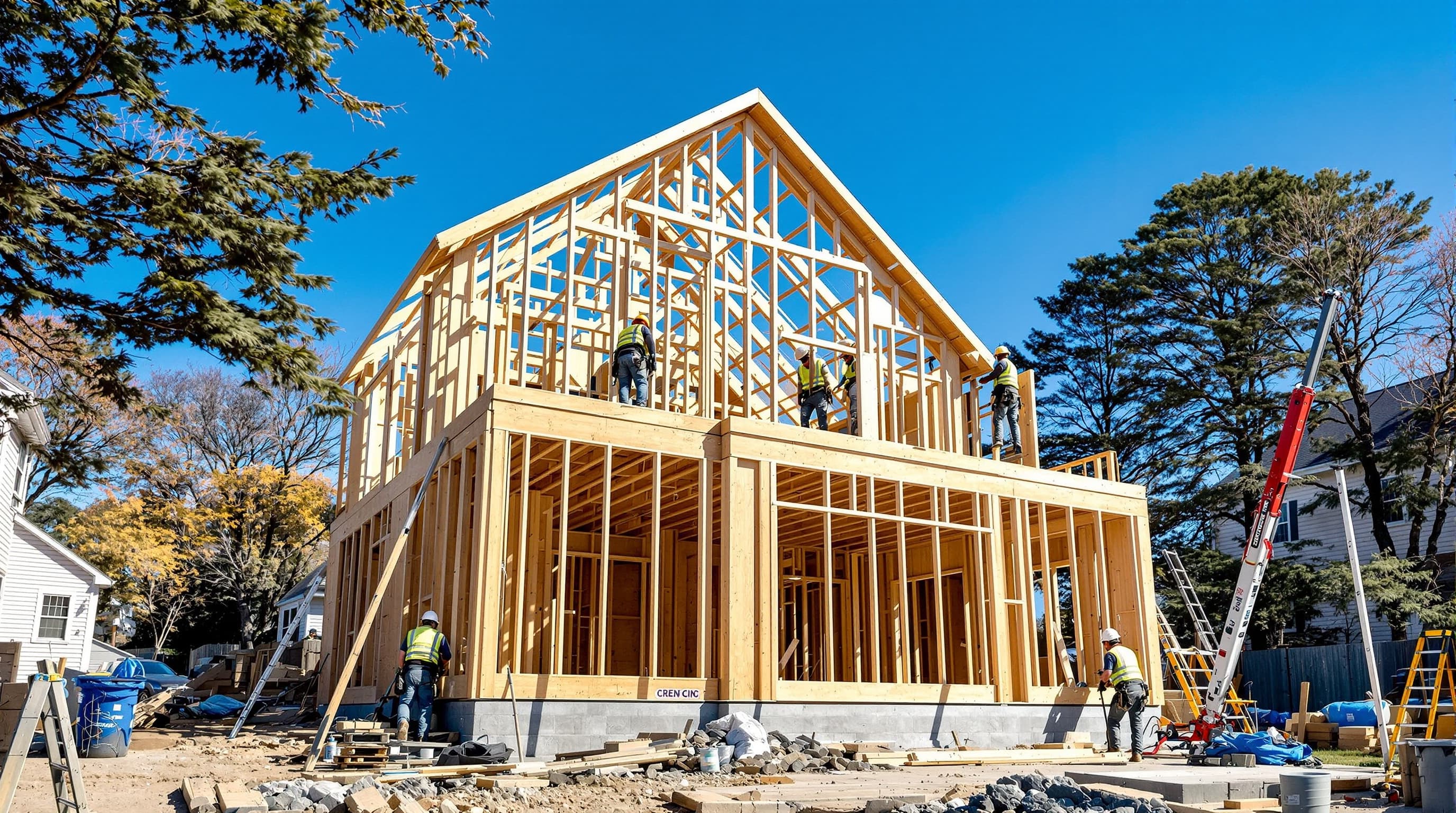
Ground-Up Custom Home — Lloyd Harbor, NY
6,400 sq ft shingle-style new build on 1.8 acres. Tear-down of 1961 ranch, ENERGY STAR certified. 14-month build.
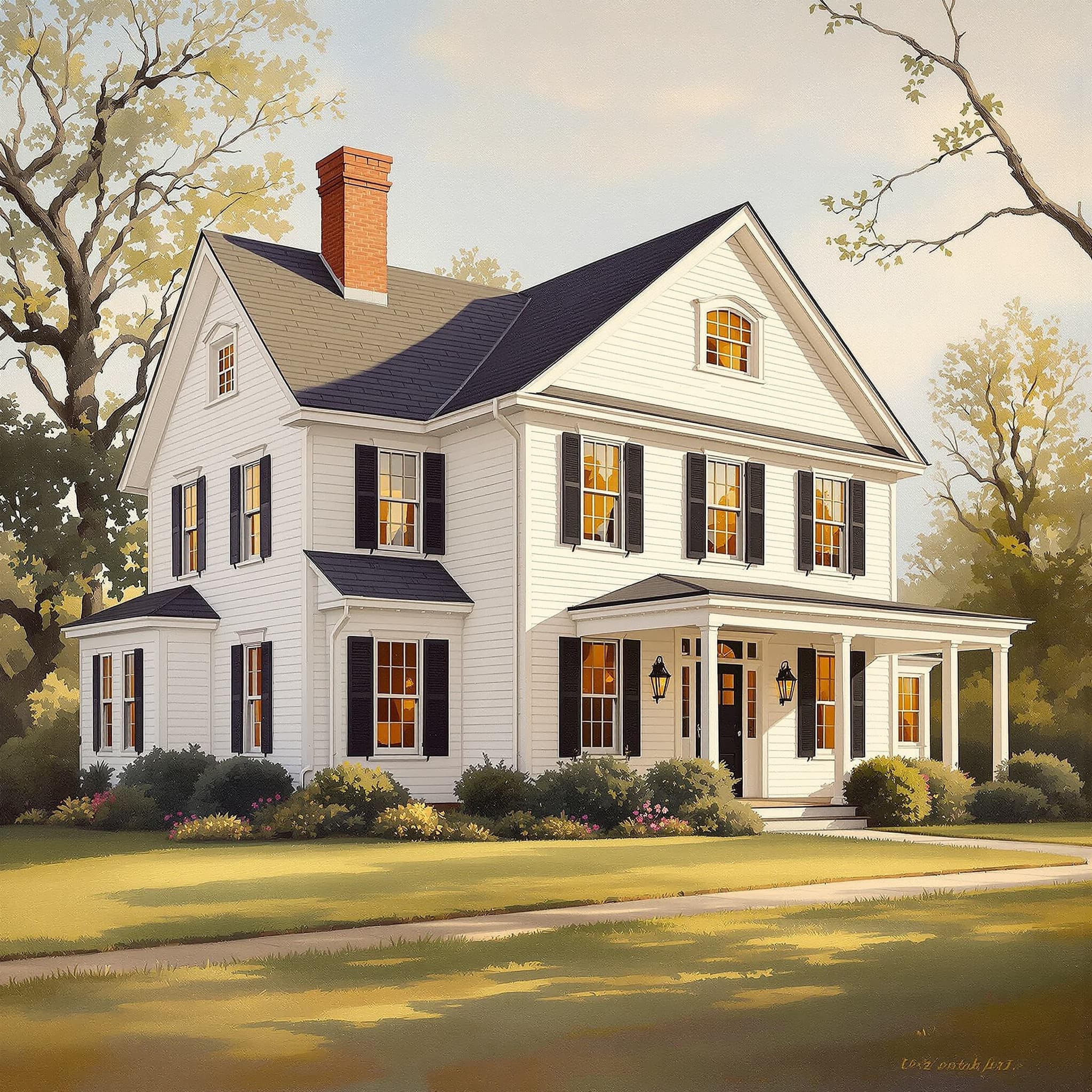
Rear Kitchen Addition — Garden City, NY
360 sq ft open-plan kitchen addition off the back of a 1922 Tudor. Matched leaded glass and cedar trim to original. Village of Garden City permit.
In-Law Suite Addition — Huntington, NY
520 sq ft ADA-ready in-law suite with separate entry, full bath, kitchenette. Town of Huntington code-compliant accessory dwelling.

Cape Cod Dormer Conversion — Hicksville, NY
Raised the roof on a 1954 Cape — added two bedrooms, a full bath, and a reading nook. Town of Oyster Bay permit.
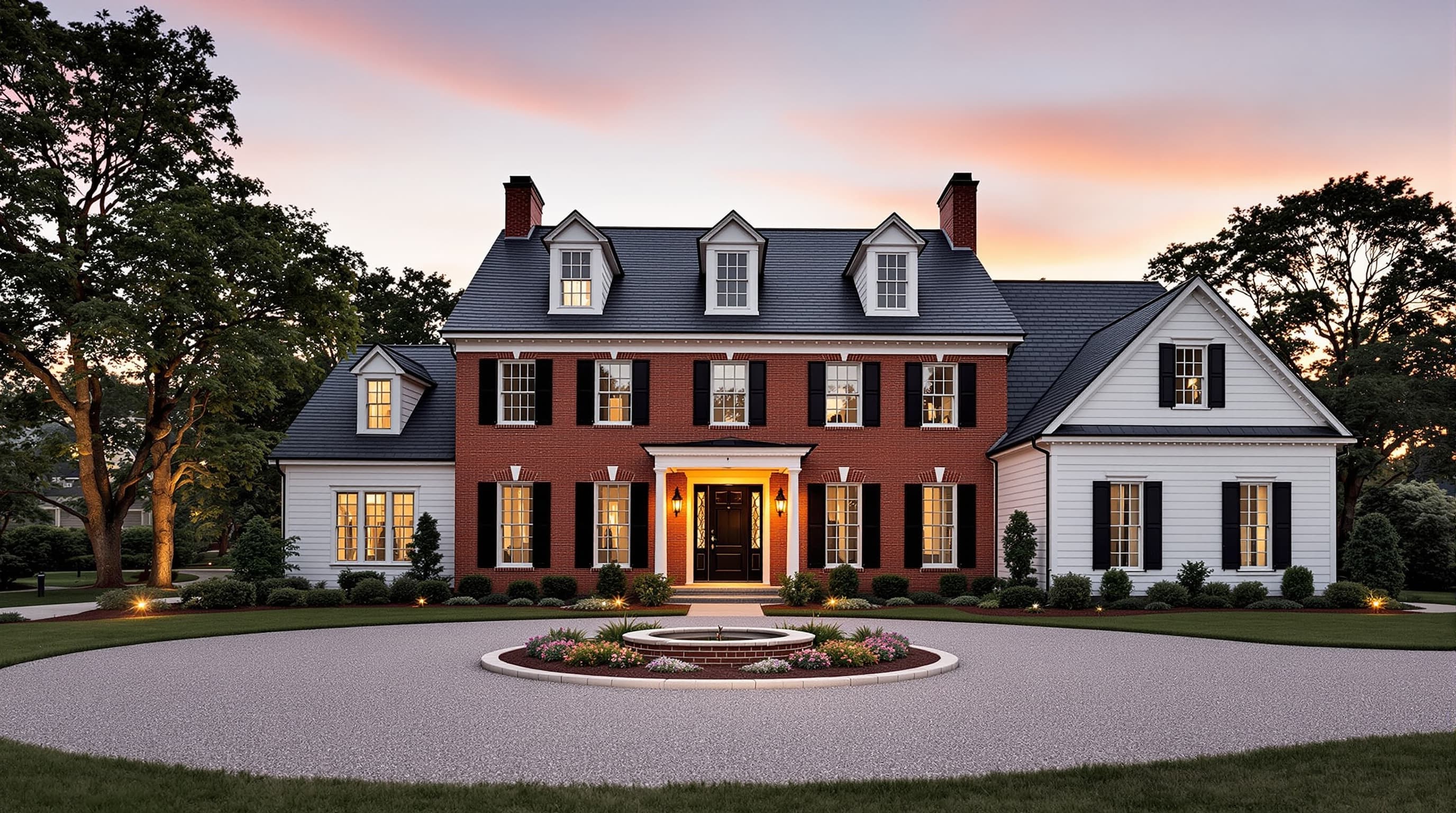
“One crew, one contract, one name responsible.”
Long Island Homeworks is operated by Selective Remodeling, working on Long Island since 2007. The model is a single vertically-integrated team: one crew, one contract, one name responsible from demolition through final walkthrough.
4.9 out of 5 average
243+ verified reviews across Google, Houzz, BBB, and GuildQuality
The owner walked our lot, sketched a full second-story on the back of an envelope, and had a formal drawing in three days. Nine months later we're living in what feels like a new house on the same foundation. Same crew from demo through final punch.
We interviewed four builders for the tear-down. The owner was the only one who actually sat with our architect to resolve the ridge height before we signed. That attention — plus the fixed-price contract — made the decision easy.
The shed dormer on our 1952 Cape added a full primary suite and changed how the house lives. They were framed and watertight the day the roof came off. My wife still talks about how clean the job site was every afternoon.
We needed an in-law suite for my mother. Our permit coordinator handled every Huntington Town permit and our in-house architect's drawings got us ADA clearance the first pass. Our addition superintendent's crew finished on schedule and my mother moved in that spring.
Our rear kitchen extension opened the back of the house to the yard. The owner was on-site every Monday morning without fail. When our appraisal came in after, the addition added more than it cost.
Third project with LI Homeworks — dormer in 2015, full addition in 2019, now the barn-style garage. Same crew, same standards. I tell neighbors they are the last honest GC on Long Island.
Before you reach out
Dormers Long Island projects run into three specific constraints you won't hit in most other markets. First, Nassau County contains 95+ incorporated villages, each with their own building department and some with Historic District overlays — a shed dormer in Garden City goes through the village ARB, while the same dormer in Hicksville goes straight to the Town of Oyster Bay. Second, Long Island's post-war housing stock is dominated by 1950s–1960s Cape Cods and ranch houses, where the structural jump from a half-story attic to a full primary suite requires both a permit engineer review and a lateral load calculation most general contractors don't know to order. Third, salt air exposure along the south shore and north shore requires vapor barriers, stainless fasteners, and window flashing details that inland builders routinely skip. LI Homeworks handles all of it — our in-house AIA architect our in-house architect has managed dormers Long Island projects across all 13 townships and dozens of villages, and our permit coordinator handles every filing so you never touch a form.
Yes. We're licensed in both Nassau County and Suffolk County and hold town-level licenses in Hempstead, Huntington, Smithtown, and Babylon. Our permit coordinator runs our permit desk — she handles filings end to end and you don't touch a form. Permits are itemized in the estimate, not a surprise line.
A full shed dormer is framed and watertight in a single day — we plan the job around weather, strip the roof in the morning, and tarp or sheath by dinner. From permit-to-paint we're typically 6–9 weeks depending on interior scope. Plans and permits run another 4–8 weeks on the front end.
A typical 4,000–6,000 sq ft custom home runs 12–16 months from foundation pour to certificate of occupancy. Design + permitting is another 4–8 months on the front end. Tear-down rebuilds add 2–3 weeks for demo, asbestos survey, and site clearing. We walk you through a full Gantt chart before you sign.
Both. Our in-house architect has been in-house since 2012 and draws most of our dormer and addition work. For luxury new builds, we work regularly with several LI architects — Meyer Davis, Mojo Stumer, Remick Architecture. If you've hired your own, we'll come to the first meeting and review drawings for constructability and cost before a single spec is locked.
Our bread and butter is additions in the $180K to $650K range. Dormers typically $85K–$150K. New home construction $1.6M–$1M across Nassau and Suffolk, with East End work running higher. We don't take jobs under $75K — too small for the vertically-integrated model to make sense.
We carry $1,000,000 general liability, full NY workers comp, builders risk on every active job, and pollution insurance. COIs are filed with every township before we break ground. We can send our insurance binder to your attorney or lender on request.
Dormer additions on Long Island range from $35,000 for a small eyebrow dormer to $150,000 for a full-width shed dormer with luxury primary suite buildout. The most common project — a full shed dormer on a Cape Cod or Colonial converting an unfinished half-story to a primary suite — typically runs $85,000–$130,000 across Nassau and Suffolk counties. Cost drivers: dormer width, structural complexity, interior finish scope, and permit jurisdiction. We provide fixed-price written contracts with no escalation clauses.
We build four primary dormer types across Nassau and Suffolk County: shed dormers (flat-sloped, full-width — the most common and cost-effective for maximum space), gable dormers (peaked roof — traditional appearance, ideal for Tudor and brick colonial homes), hip dormers (three-sided slope — blends with hip-roofed colonials), and eyebrow dormers (curved arch — for estate homes and historic properties). Shed dormers account for roughly 70% of our Long Island dormer work because they deliver the most usable square footage per dollar invested.
A typical Long Island dormer addition takes 6–12 weeks from permit issuance to completion. Add 4–8 weeks for design and permitting on the front end. Total timeline from first consultation to final walkthrough: 3–5 months for a standard shed dormer, 4–6 months for projects requiring historic district review or structural remediation. Construction day one: we strip the roof, frame the dormer, and have it sheathed and watertight before dark — eliminating weather exposure to your home's interior.
Yes — every structural dormer addition on Long Island requires a building permit from the applicable township or village building department. Nassau County contains the Town of Hempstead, Town of North Hempstead, Town of Oyster Bay, and dozens of incorporated villages each with their own permitting process. Suffolk County contains the Towns of Huntington, Smithtown, Babylon, Brookhaven, and others. Our permit coordinator identifies the correct jurisdiction for your address and manages all filings — you never touch a form. Permit fees on Long Island typically run $1,200–$4,000.
Yes — dormers in Garden City are among our most specialized projects. Garden City is an incorporated village with its own Building Department at Village Hall (100 Marcus Avenue, 11530), and roughly a third of the village falls within the Historic District, requiring Architectural Review Board approval before a permit is issued. Our in-house AIA architect our in-house architect handles every Garden City ARB application — elevation drawings, material samples, board presentation — and we have had every submission approved. Shed dormers on Garden City's center-hall colonials typically run $90,000–$145,000 and typically convert the half-story to 800–1,000 sq ft of primary suite space. Gable dormers on Tudor revivals typically run $75,000–$110,000. See our dedicated dormers Garden City NY page for more detail.
Nassau & Suffolk County
Licensed in both counties and every major town. East End (Hamptons) coverage for new construction projects.
Know the numbers before you call
Home Additions Long Island
Home Additions on Long Island — What They Cost and When They Make Sense
Home additions on Long Island are one of the highest-ROI investments a Nassau or Suffolk County homeowner can make — because moving up in the LI market means a 6–8% commission on a sale, 3–5% on a purchase, transfer taxes, and the current spread in mortgage rates. For most homeowners with a sub-4% mortgage, adding square footage to the existing home beats moving until the budget exceeds what addition construction can deliver.
The most common home additions we build on Long Island: rear yard extensions (pushing the back of the house out 15–30 feet to create a great room, expanded kitchen, or primary suite), second-story additions over a ranch or cape (the "pop top" — adding a full floor above the existing structure), two-story rear additions (combining both a ground-floor extension and a second story for the most square footage per dollar), and garage conversions with an addition above (common in Levittown, Westbury, and Uniondale where garages are detached or end-of-house).
Home addition cost on Long Island in 2026 typically runs $250–$450 per square foot of added finished space, depending on scope, tie-in complexity, and finish level. A 400-sf rear extension typically runs $100,000–$180,000. A full second-story addition over a 1,200-sf ranch typically runs $200,000–$380,000. Every addition includes architectural drawings (we work with a licensed PE for structural), Nassau or Suffolk County permit filing, and a written contract with fixed price and milestone schedule.
Second Story Addition Long Island
Second Story Addition on Long Island — Raising a Ranch or Cape
Second story additions on Long Island are the most efficient way to double the square footage of a ranch home. Long Island has one of the highest concentrations of post-war ranches in the country — Levittown (11756), East Meadow (11554), Wantagh (11793), Seaford (11783), and Massapequa (11758) are dense with original 1950s–1960s ranches at 900–1,400 sf that have been extensively renovated at the ground level but never expanded vertically. A full second-story addition on a typical Long Island ranch adds 900–1,200 sf, three bedrooms, and a full bath for $200,000–$350,000 — versus the $800,000+ cost of buying a colonial with equivalent square footage in the same neighborhood.
The structural challenge of a second-story addition is carrying the new floor load on the existing foundation and first-floor walls. This requires a licensed PE to verify the existing foundation capacity and specify the beam and column upgrades needed. We engage a PE on every second-story project and include the structural drawings in the permit package. Nassau County building departments (Town of Hempstead, Town of North Hempstead, Town of Oyster Bay) require PE-stamped structural drawings for second-story additions — it is not discretionary.
Second story addition cost on Long Islandtypically runs $175,000–$380,000 for a full-story addition over an existing ranch, depending on the existing structure's condition, the finish level specified, and how many bedrooms and bathrooms are included. We provide a fixed-price contract after a structural assessment. No time-and-materials second-story additions — the scope is too complex and homeowners deserve price certainty.
Ready to build something that lasts?
Free consultation. Detailed written scope. PE-backed plans. The owner walks every job.
Mon–Fri, 7am to 6pm | Saturdays by appointment · Call or text anytime